16/06/25
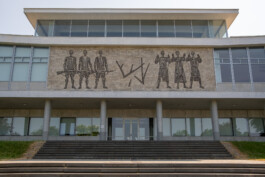
Staro Sajmište
Location: Belgrade, SRB
Facilities: Museum, monuments
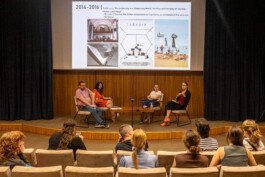
Program: Site inspection, meeting with Aleksandra Šević and Mirjana Ilić, lecture by Rena Rädle
Memorial for the Jewish Victims of Fascism
Location: Belgrade, SRB
Author: Bogdan Bogdanović
Facilities: Monument, cemetery
Program: Site inspection, meeting with Čedomila Marinković
Liberators of Belgrade Memorial Park
Location: Belgrade, SRB
Authors: Branko Bon, Rade Stanković, Antun Augustinčić
Facilities: Monument, memorial park, cemetery
Program: Site inspection
17/06/25
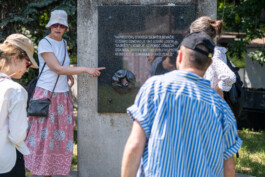
Museum of Yugoslavia
Location: Belgrade, SRB
Facilities: Museum
Program: Guided tour by curator Ana Panić and Ljubica Vlahović, conversation with Andrew Lawler, Vladana Putnik Prica and Ana Panić
Museum »October 21«
Location: Kragujevac, SRB
Authors: Ivan Antić, Ivanka Raspopović
Facilities: Museum
Program: Guided tour by Nenad Đorđević
Memorial Park »Kragujevački oktobar«
Location: Kragujevac, SRB
Authors: Miodrag Živković, Vojin Bakić, Ante Gržetić, Nandor Glid, Nebojša Delja, Gradimir & Jelica Bosnic, Miguel Romo Santini
Facilities: Monument, memorial park, cemetery
Program: Site inspection
18/06/25
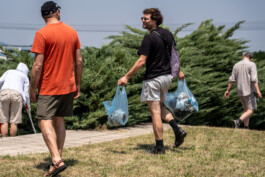
Monument to Fallen Bulgarian Fighters
Location: Niš, SRB
Facilities: Monument, mosaic
Program: Site inspection, cleaning
Crveni Krst Concentration Camp Memorial
Location: Niš, SRB
Facilities: Concentration camp, museum
Program: Site inspection
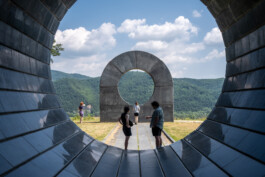
Bubanj Memorial Park
Location: Niš, SRB
Author: Ivan Sabolić
Facilities: Monuments, memorial park, amphitheatre
Program: Site inspection, meeting with Ivana Cvetković
19/06/25
Popina Memorial Park
Location: Štulac, SRB
Author: Bogdan Bogdanović
Facilities: Monument, memorial park
Program: Site inspection
Slobodište Memorial Park
Location: Kruševac, SRB
Author: Bogdan Bogdanović
Facilities: Monument, museum, memorial park, amphitheatre
Program: Site inspection, meeting with Milijana Radosavljević
AKC Gnezdo
Location: Kruševac, SRB
Facilities: cultural center
Program: work presentations by participants
20/06/25
Monument to Courage
Location: Ostra, SRB
Authors: Miodrag Živković, Svetislav Ličina
Facilities: Monument, church
Program: Site inspection
Mausoleum of Struggle and Victory
Location: Čačak, SRB
Author: Bogdan Bogdanović
Facilities: Monument, memorial park
Program: Site inspection
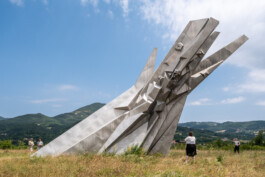
Kadinjača Memorial Complex
Location: Volujac, SRB
Author: Miodrag Živković
Facilities: Monument, memorial park
Program: Site inspection
21/06/25
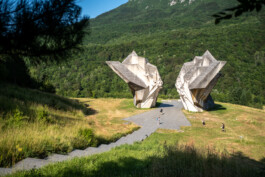
Memorial Complex to the Battle of Sutjeska
Location: Tjentište, BIH
Authors: Miodrag Živković, Ranko Radović
Facilities: Monument, memorial house, memorial park, museum, amphitheatre
Program: Site inspection, guided tour
22/06/25
Free time in Sutjeska National Park
Location: Tjentište, BIH
23/06/25
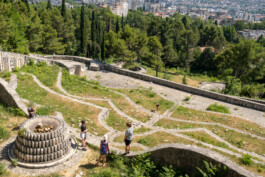
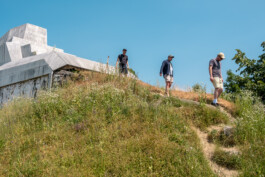
Partisan Memorial Cemetery
Location: Mostar, BIH
Author: Bogdan Bogdanović
Facilities: Memorial park, monument, cemetery
Program: Site inspection, meeting with Vladimir Kulić
24/06/25
Monument to the Fallen Krajina Fighters
Location: Banja Luka, BIH
Author: Antun Augustinčić
Facilities: Monument
Program: Site inspection, meeting with Vladan Vukliš
Monument to the Kozara Revolution
Location: Dera, BIH
Author: Dušan Džamonja
Facilities: Monument, memorial park, museum
Program: Site inspection
25/06/25
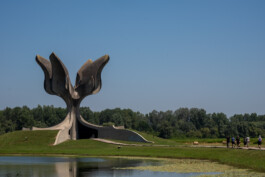
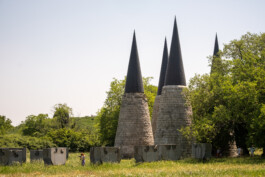
Jasenovac Memorial
Location: Jasenovac, HRV
Author: Bogdan Bogdanović
Facilities: Monument, memorial park, museum
Program: Site inspection, guided tour by Đorđe Mihovilović, lecture by Ana Kršinić Lozica
26/06/25
Dudik Memorial Park
Location: Vukovar, HRV
Author: Bogdan Bogdanović
Facilities: Monument
Program: Site inspection
Memorial Park »Syrmian front«
Location: Adaševci, SRB
Authors: Miroslav Krstonošić, Jovan Soldatović, Milan Sapundžić
Facilities: Monument, memorial park
Program: Site inspection
Aleja Hero Monument
Location: Sremska Mitrovica, SRB
Author: Bogdan Bogdanović
Facilities: Monument, memorial park
Program: Site inspection
27/06/25
Museum of Yugoslavia
Location: Belgrade, SRB
Facilities: Museum
Program: Meeting with Ana Miljački